8 Tips for Designing a Great Website8 Tips for Designing a Great Website Stop! and take a deep breath and read some practical tips for professional looking great websites. 1. Select and stick to a colour scheme If your company has a logo or preferred colours on its stationery that’s a good start. For those of you starting from scratch, choose two or three complementary colours and stick with them – don’t change colours on every page. The most common colour schemes include: - Red, yellow and white If you’re not sure what colour scheme to choose, surf the internet and find a website that you like. You can then model your colour scheme on what already exists.
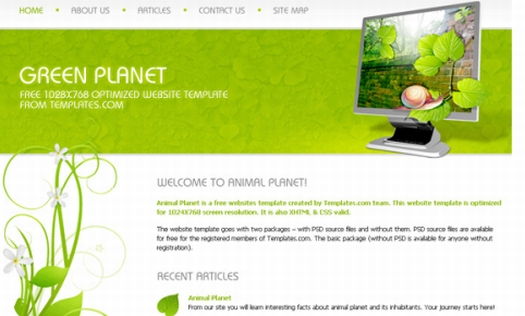
2. Use templates. Can’t find a website you really like? Another option is to choose a template. There are many templates or pre-set designs. These come as part of your web design software (such as FrontPage) or you can check out some great websites that specialise in designing templates and also offers some of them for FREE! with lots of tips for designing a website. www.freewebsitetemplates.com 3. Provide an easy to use navigation system. This is one of the most important issues to consider when designing a website. You need to ensure your visitors can find what they are looking for easily. Most great looking websites either display their navigation bar on the left or at the top. And since most people are used to this type of navigation, it’s best to stick with it. It also helps to include your navigation bar at the bottom of each page to save your visitors from having to scroll back to the top. 4. Don’t go overboard on special effects Whilst it is ok to have one or two special effects to jazz up your website, spinning graphics and logos often distract your visitor from the content, not to mention they can take too long to download. Your visitors may click away even before your spinning logo finishes loading.
Ensure your visitors can read the text on the background, ie. no black writing on dark blue background or yellow on white. Also be careful that your links are visible before and after being visited. The default for links in most programs is blue (before being visited) and burgundy (after being visited), so if you have a dark background, ensure your links are light. 6. External Links It is a good idea to open links to other websites (external) in a new window. That way your visitors can easily return to your site when they are finished browsing the external website link. 7. Site Map & Search Feature If you are designing a website that would include more than 15 pages, then it is useful to have a sitemap or a website “Search” feature on your website to ensure your visitors can easily find what they’re looking for quickly and easily. 8. Content is King While it is important that your website looks clean and professional to be a great website, it is far more important that you concentrate your efforts on the creating useful and unique contents backed by whole hearted promotion using ethical means to gain higher search engine ranking and large volume of relavent visitors. If you want to design a professional looking website, the top most things to stay away from should includes: 1. Flash intros, revolving globes, bevelled line separators, animated
mail boxes Don’t sweat the small stuff and get yourself focussed on what to include on the website and the best way to promote it. We will cover these topics in future articles.
HTML Tutorial 1 - Designing A Website In Notepad - Basics
and Beginnings
This article is originally written by Ivana Katz who is the owner of Websites 4 Small Business - www.web4business.com.au, a company specialising in the design and promotion of small and home-based business websites.
|
|
 Recommended Video Tutorial: